Recreational vs commercial two-way radios explained. Compare UHF CB and commercial radios, accessories, connectors, compliance and the right fit for business use.
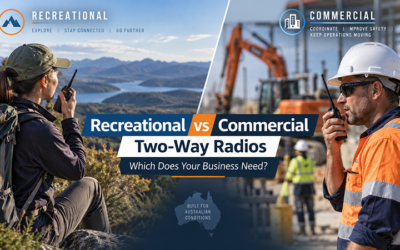
Recreational vs Commercial Two-Way Radios: Which Does Your Business Need?
read more

Talk to Australia’s Radio Communication Specialists
Australia Wide, NSW, QLD, VIC, ACT, TAS, NT, SA, WA
Recreational vs commercial two-way radios explained. Compare UHF CB and commercial radios, accessories, connectors, compliance and the right fit for business use.
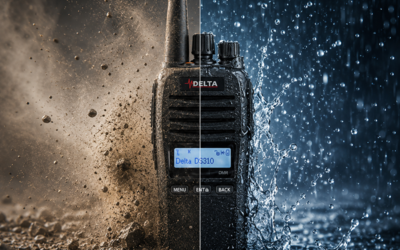
When you're comparing two-way radios, you'll see codes like IP54, IP67 or IP68 in the specs. That's the radio's IP rating — and it tells you exactly how well the radio resists dust and water. Understanding it is the difference between buying a radio that survives your...
Everything Australian Businesses Need to Know About Private Two-Way Radio Licences, Renewals, Costs and Compliance Do You Need an ACMA Licence for Your Two-Way Radios? If your two-way radios operate on a private business frequency, you'll generally need an ACMA radio...
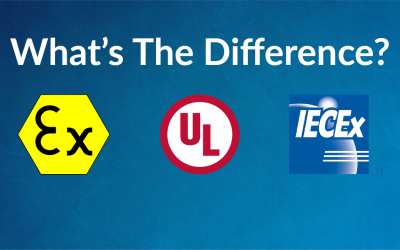
ATEX, UL & IECEx Guide Please note that Radio Industries Australia Pty Ltd does not classify or take responsibility for the Hazardous Location Settings mentioned in this page, this is just a guide. Please consult your Safety Department for your exact Hazardous...

What is CTCSS? Since CTCSS was introduced onto the UHF CB there are lots of misunderstandings and factually incorrect information about CTCSS. CTCSS (Continuous Tone Coded Squelch System) actually came from the land of commercial radios where it has been in use for...

Citizen Band Facts The Citizen Band Radio Service (CBRS) is a two-way, short distance, voice communications service that can be used by any person in Australia. CB radios provide a cheap and reliable means of communications. The service operates in two distinct...
You Could Be At Risk From Serious Radiation Exposure All Imported Walkie Talkies and Cheap 2 Way Radios Purchased Online, Could Cause Health Issues Only Radios Carrying The RCM or C-Tick Logos are Safe For Use Call Us For Details 1300 870 297 Why are Imported Radios...