
Body cameras are now standard equipment for security teams, council officers, rangers, transport staff and public safety organisations across Australia. Radio Industries supplies and supports a professional range of body-worn cameras, backed by decades of experience delivering mission-critical communications to government, security and industrial customers. Whether you need a single camera for a security guard or a fleet-wide deployment with docking and evidence management, our specialists can help you choose, configure and support the right body-worn camera solution — with Australia-wide advice and technical support included.
Professional Body Cameras for Australian Organisations
Body-worn cameras give frontline staff a reliable, first-person video and audio record of their shift. Organisations deploy them to document incidents, protect staff, and create accountability for both employees and the public they interact with.
A body camera captures what happened, when it happened, and who was involved — without relying on memory or conflicting accounts after the fact. This is why body cameras have moved beyond policing into security, local government, mining, transport and frontline customer service roles.
Common reasons Australian organisations deploy body cameras include:
- Staff safety — a visible camera can reduce the likelihood of aggression toward frontline workers
- Incident documentation — accurate video and audio records for reporting, investigations and insurance
- Accountability — an objective record of interactions for both staff and members of the public
- Evidence collection — footage that can support internal investigations, disciplinary processes or, where relevant, legal proceedings
- Operational transparency — clear records of how procedures were followed on site
What Is a Body-Worn Camera?
A professional body-worn camera is a wearable video and audio recording device, typically mounted on the chest or shoulder, that captures footage from the user’s point of view during operational duties.
Professional body cameras are built differently to consumer action cameras. Where an action camera is designed for lifestyle or sports footage, a professional body camera is engineered around evidentiary use: rugged housings rated against drops, dust and moisture; secure, encrypted storage; tamper-resistant file handling; extended shift-length battery life; and structured device and user management so organisations can control who records what, and where that footage goes.
The distinction matters for any organisation weighing up a consumer camera against a purpose-built system. A body camera intended to support incident reports or evidentiary review needs to protect the integrity of the footage — an action camera generally does not.
How Do Body Cameras Work?
Professional body-worn camera deployments generally follow a similar operational pattern, although features vary by model:
- The camera is worn on the officer’s or worker’s uniform, chest harness or shoulder mount.
- Recording is started and stopped according to the organisation’s own procedures and policies — some models also support continuous buffering or pre-event recording.
- Video, audio and relevant metadata (such as time and date) are captured to secure onboard storage.
- At the end of a shift, footage is docked or transferred into the organisation’s chosen evidence-management workflow for review, storage or reporting.
- Depending on the specific model and configuration, some cameras also offer additional connectivity — such as GPS tagging, Wi-Fi or LTE upload, or live streaming — while others are designed as simpler standalone recording devices.
Not every body camera provides every feature. The right combination of capability depends on the role, the environment and how the organisation intends to manage footage.
Body-Worn Cameras
Showing all 7 resultsSorted by latest
-
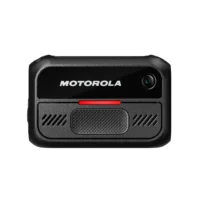
Motorola V200 Body-Worn Camera | Enterprise Body Camera for Workplace Safety
Contact us for a Special Price -
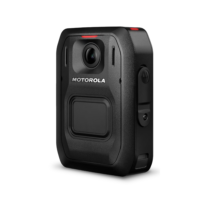
Motorola V500 LTE Body Camera System
Contact us for a Special Price -
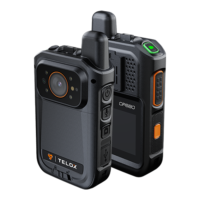
Telox CP680 Push-to-Talk Body-Worn Camera | 4G LTE Smart Body Camera
Contact us for a Special Price -
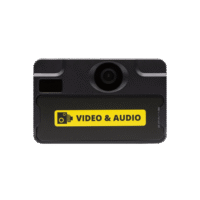
Motorola VT100 Body-Worn Camera | Retail & Security Wearable Camera
$627.00 Inc GST -
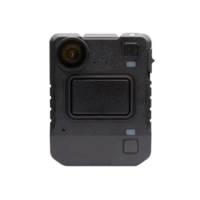
Motorola VB400 Body-Worn Camera | Professional Security & Safety Camera
$1,313.40 Inc GST -
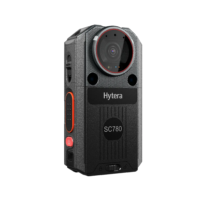
Hytera SC780 Smart 4G LTE Body Camera with Push-to-Talk & Live Streaming
$1,699.50 Inc GST -
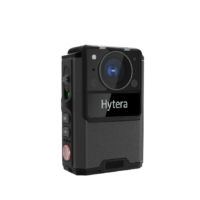
Hytera GC550 Body-Worn Camera
$764.50 Inc GST
Choosing the Right Body Camera
The right body camera depends on more than the spec sheet on a single unit — it depends on how the camera fits into your broader operation. Factors worth evaluating include:
- Recording resolution and low-light performance — for clear footage in variable lighting, including at night
- Battery life — enough runtime to cover a full shift without a mid-shift swap
- Ruggedness and IP rating — resistance to drops, dust and moisture for outdoor or industrial use
- Storage capacity and file security — sufficient onboard storage, with encryption to protect footage integrity
- GPS capability — where location tagging is required for reporting or officer safety
- Wi-Fi/LTE connectivity — where available, for faster upload or remote visibility
- Pre-event recording — buffering footage from before the record button is pressed
- Live streaming — supported on some models, useful for real-time incident visibility
- Docking and charging — single-unit or multi-bay docking stations for fleet charging and offload
- Evidence management — how footage is stored, reviewed, retained and audited once it leaves the camera
- User authentication and fleet management — controlling who can access devices and footage
- Mounting options and scalability — from a single camera to a fleet across multiple sites

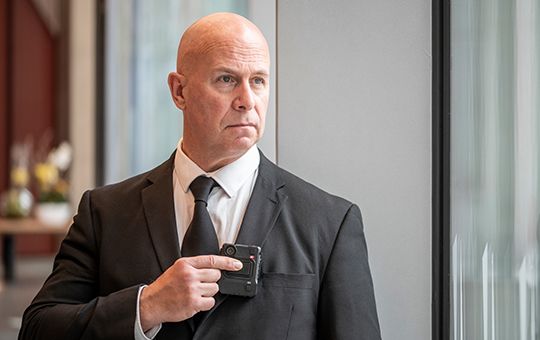
Body Cameras for Security Guards
Security teams are among the most common users of body-worn cameras in Australia, across shopping centres, hospitals, night-time venues, events and commercial facilities. Guards on static posts and mobile patrols both benefit from a reliable video record of incidents, verbal altercations and access-control interactions.
For security operations, a body camera can support incident reporting, protect guards against unfounded complaints, and provide a clear record for the client site or security firm to review. Many organisations pair cameras with existing two-way radio communications so guards can call for backup while a recording is already underway.
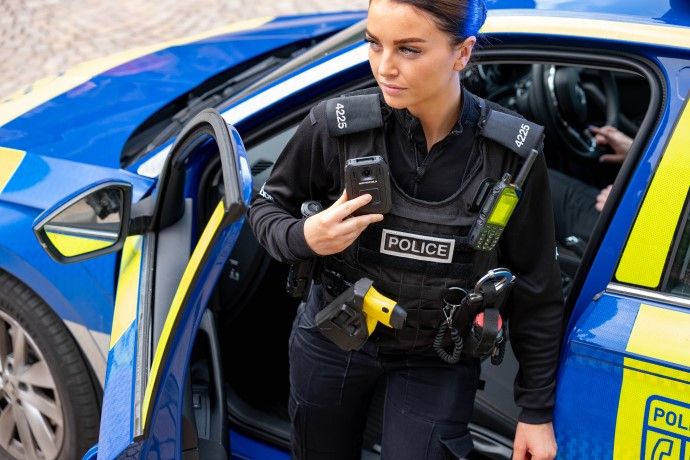
Body Cameras for Police & Public Safety
Public safety and law enforcement environments demand equipment built for continuous professional use — not consumer-grade hardware. Requirements typically include shift-length battery life, rugged housing, secure evidence handling and reliable performance under pressure.
Radio Industries has long-standing experience supplying professional Motorola communications equipment, including APX radio systems, to public safety and government customers across Australia. That background in mission-critical communications environments carries directly into how we support body-worn camera deployments for organisations operating in demanding, safety-critical settings.
Body Cameras for Councils & Rangers
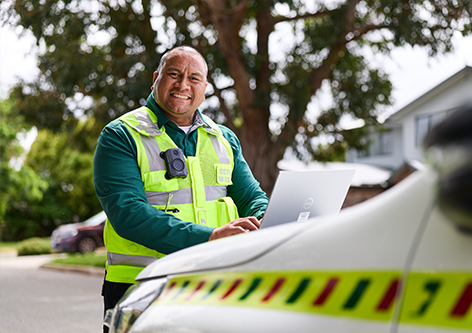
Council compliance officers, parking officers, animal management staff, environmental rangers and other community-facing personnel regularly deal with confrontational or unpredictable interactions while working alone or in small teams.
A body-worn camera gives these staff a documented record of interactions during enforcement activities, inspections and field visits — supporting both staff safety and consistent incident documentation across a council’s operations.
Body Cameras for Mining & Industrial Operations
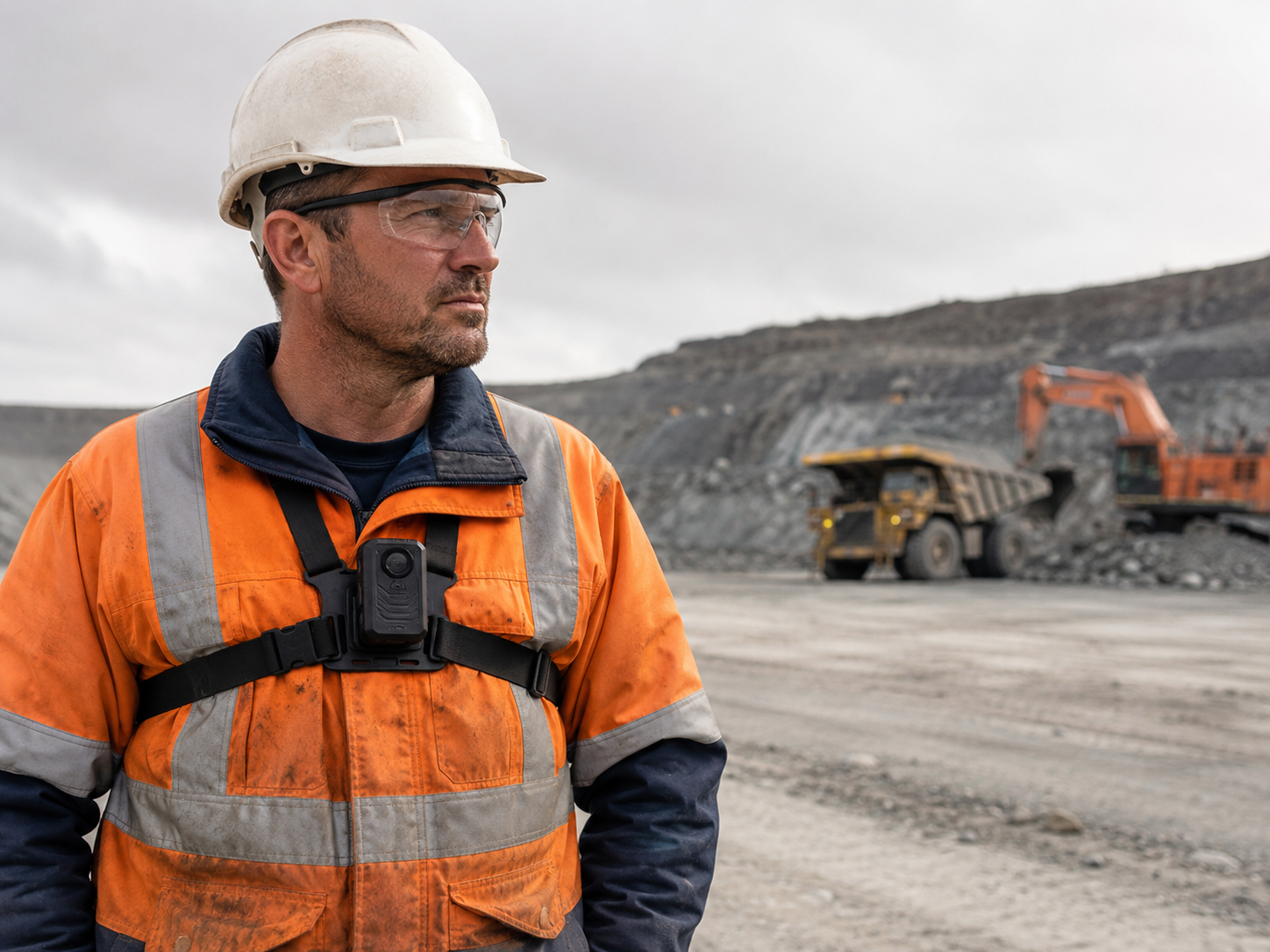
Mining and industrial sites bring their own set of operational demands: remote locations, site access control, contractor management and safety inspections all benefit from accurate, timestamped video records.
Body cameras used on mining and industrial sites need to be assessed against the specific operating environment — including exposure to dust, vibration and temperature extremes. Equipment suitability should always be confirmed against the site’s own safety requirements; a camera is not intrinsically safe unless the specific product is certified for that use.
Body Cameras for Transport & Logistics
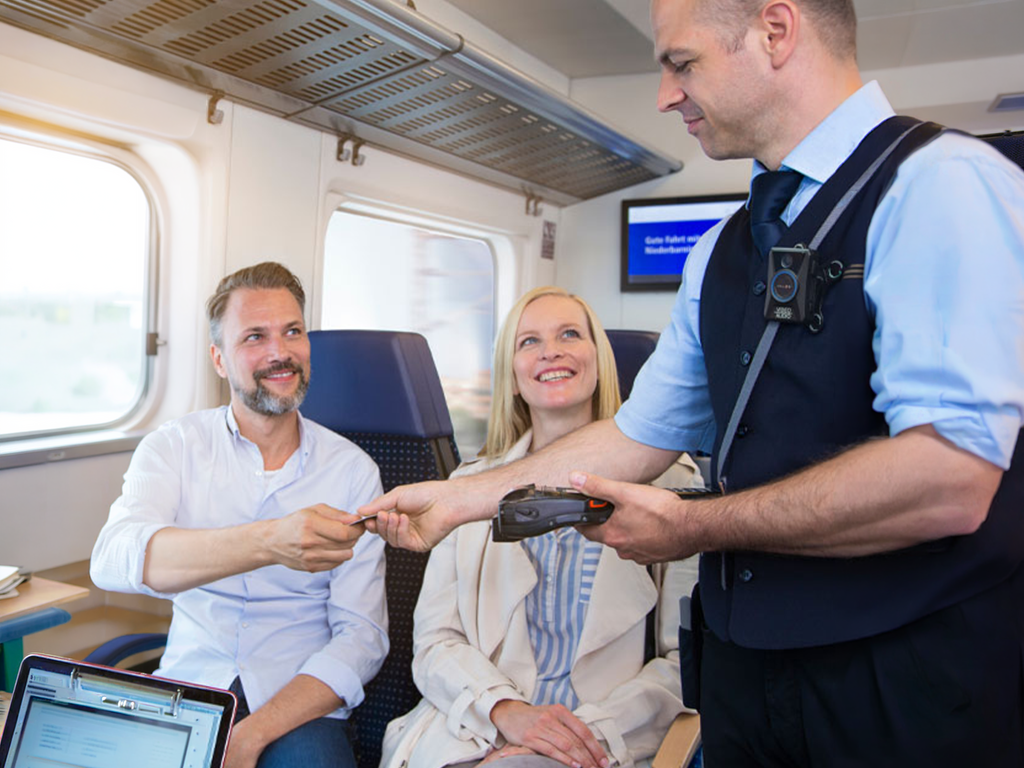
Transport officers, depot staff, fleet operators and passenger-facing employees face many of the same accountability and safety challenges as security and public-facing roles. Body-worn cameras can support incident documentation during passenger interactions, depot operations and on-road duties, complementing existing fleet communications and dispatch systems.

Body Cameras for Healthcare & Frontline Workers
Aggression toward frontline healthcare and customer-facing staff is a recognised workplace safety concern. Where organisational policy and privacy requirements permit, body-worn cameras can support staff safety and provide documentation of challenging interactions. Any deployment in a healthcare or clinical setting should be assessed against the organisation’s own privacy and consent obligations — this is a policy and legal matter for the organisation to confirm, not something Radio Industries can advise on directly.
Need Help Choosing the Right Radio?
We’re Australia’s Two-Way Radio Communication Specialists — ready to help you find exactly what you need.
Whether you’re looking for:
-
A specific radio model or brand
-
Replacement parts or accessories
-
A complete communications setup for your team or site
We’ll guide you to the best solution for your industry.
Call us on 1300 266 682, request a call back, or simply fill in the form below and we’ll get in touch.