by Jim Y | Sep 16, 2026 | Articles
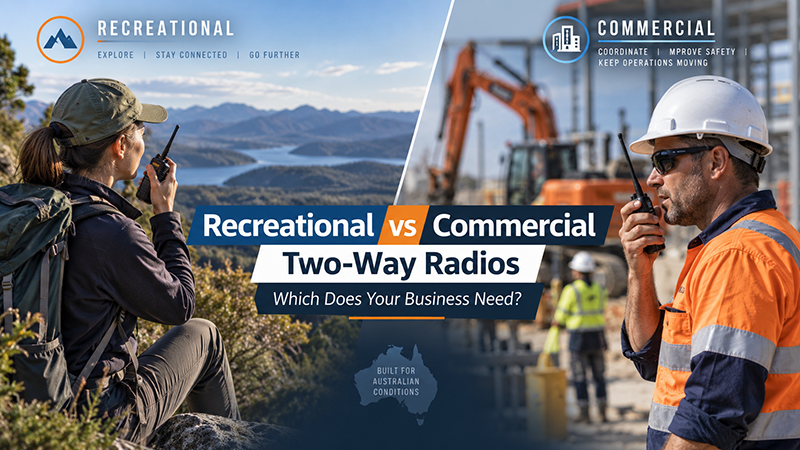
60-second buyer guide Looking at a UHF CB radio for work? Here’s when your team may need something more purpose-built. Recreational vs commercial two-way radios can look similar at first glance, but the right choice depends on how often they are used, how important...
by Jim Y | Jul 10, 2026 | Articles
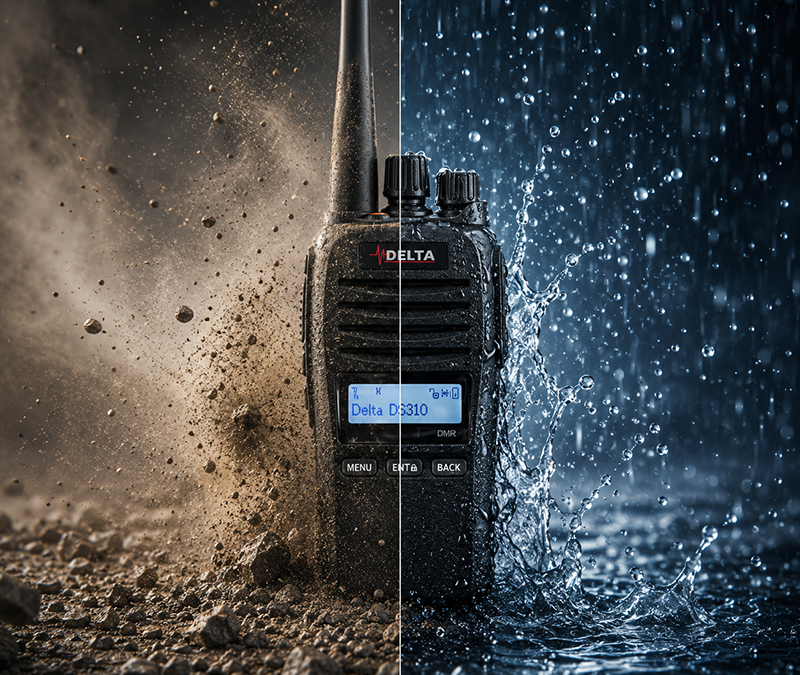
When you’re comparing two-way radios, you’ll see codes like IP54, IP67 or IP68 in the specs. That’s the radio’s IP rating — and it tells you exactly how well the radio resists dust and water. Understanding it is the difference between buying a...
by Jim Y | Jul 10, 2026 | Articles
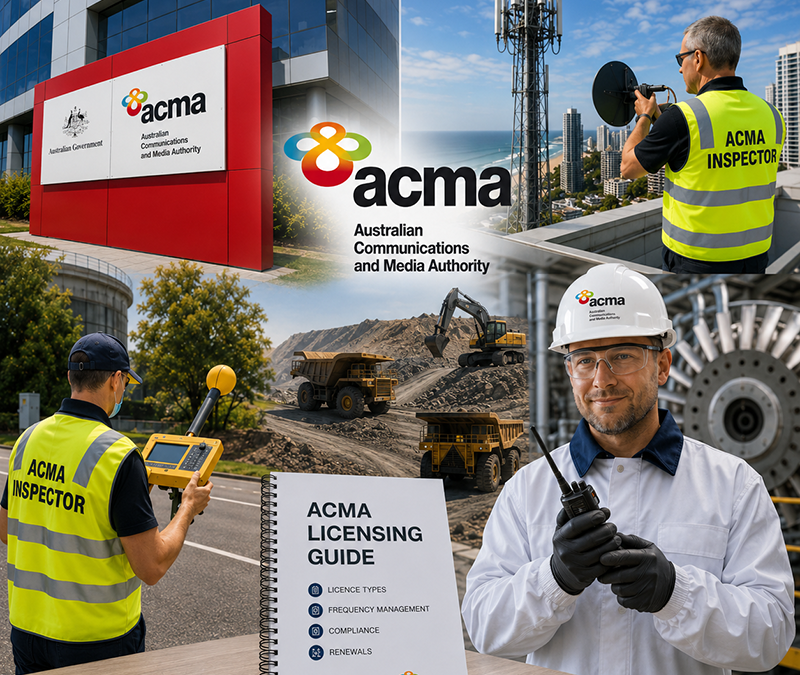
Everything Australian Businesses Need to Know About Private Two-Way Radio Licences, Renewals, Costs and Compliance Do You Need an ACMA Licence for Your Two-Way Radios? If your two-way radios operate on a private business frequency, you’ll generally need an ACMA...
by Jim Y | Jul 8, 2021 | Articles
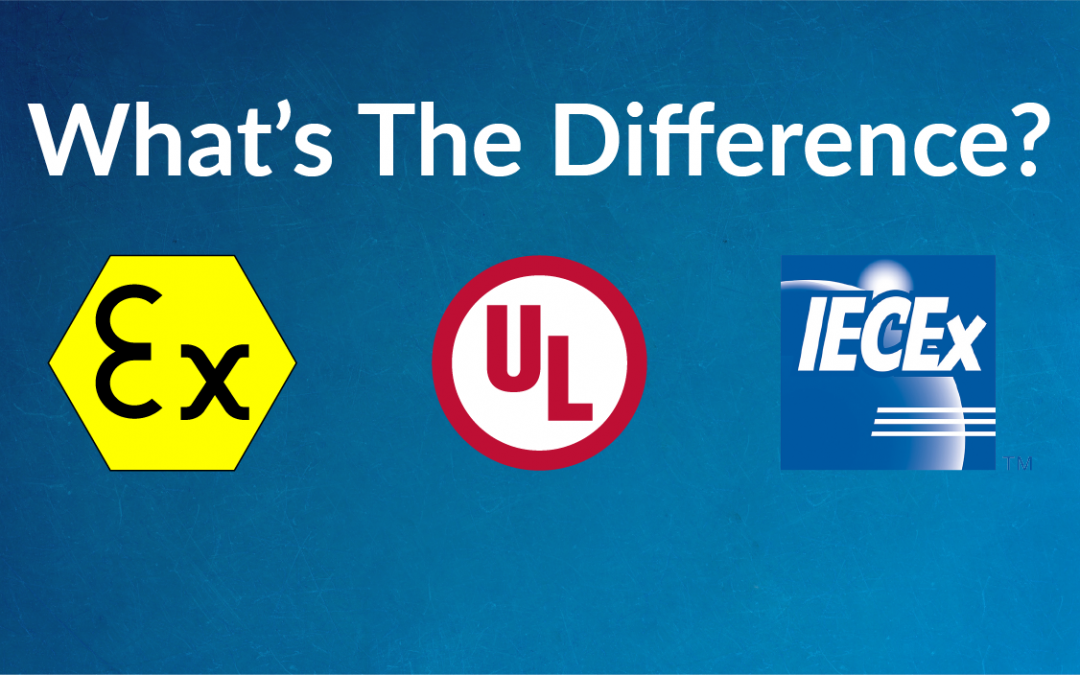
ATEX, UL & IECEx Guide Please note that Radio Industries Australia Pty Ltd does not classify or take responsibility for the Hazardous Location Settings mentioned in this page, this is just a guide. Please consult your Safety Department for your exact Hazardous...

by Jim Y | Feb 11, 2020 | Articles
What is CTCSS? Since CTCSS was introduced onto the UHF CB there are lots of misunderstandings and factually incorrect information about CTCSS. CTCSS (Continuous Tone Coded Squelch System) actually came from the land of commercial radios where it has been in use for...

Recent Comments