
Two-Way Radios for Airports & Aviation
Aviation two-way radios: airband radios, pushback headsets and rugged radios for airport ground crews, airside operations and aviation teams.
Trusted by Australian organisations



Shop Airports & Aviation by type
Showing all 24 resultsSorted by latest
-

Motorola R5 Digital Radio with Screen, Replaces DP2600e
From $1,424.50 Inc GST -

Icom IC-R15 Multi-functional Communication Receiver
$927.00 Inc GST -

Motorola TLK 110 WAVE PTX Radio
$803.00 Inc GST -

Motorola R7 Digital Premium Radio (with Keypad & Screen)
From $2,010.80 Inc GST -

Motorola MOTOTRBO R7 Digital Portable (No Keypad/Screen)
$1,754.50 Inc GST -

Hytera HP702 H-Series DMR Radio with OLED, GPS & Bluetooth
From $1,336.50 Inc GST -

Hytera HM782
$1,380.50 Inc GST -

ICOM IC-A25CE Airband Two Way Radio
$613.00 Inc GST -
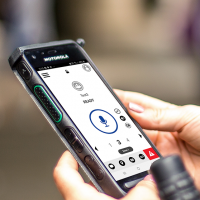
Motorola WAVE PTX | Nationwide Broadband Push-to-Talk
Contact us for a Special Price -

Icom IC-F52D / IC-F62D Two Way Radio
$793.00 Inc GST -

Icom IC-A220 VHF Air Band: OLED Display, Easy Install
Contact us for a Special Price -

Icom IC-A120E Airband Two Way Radio
$1,648.00 Inc GST -

Icom IC-A25NE Airband Two Way Radio
$906.00 Inc GST -

ICOM IC-A16E VHF Air Band Transceiver – 8.33/25 kHz
$556.00 Inc GST -
Sale!

Motorola SLR 5500 Repeater
Original price was: $6,603.30.$5,942.97Current price is: $5,942.97. Inc GST -

Motorola DM4601e Two Way Radio
Contact us for a Special Price -
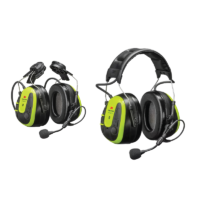
3M Peltor WS Alert X+ Bluetooth Headset | Class 5 Hearing Protection
$548.90 Inc GST -

3M Peltor WS ProTac XPI Bluetooth Communication Headset
$984.50 Inc GST -

3M PELTOR WS Adapter G3 FL61007-WS7 – Aviation Pushback Wireless Communication Adapter
$724.90 Inc GST -

Bravo Heavy Duty Headset/ Earmuff for Two Way Radios
From $434.50 Inc GST -

3M Peltor WS LiteCom Pro III Headset
From $2,499.17 Inc GST -

3M Peltor CH-3 FLX2 Headset – External PTT
$438.90 Inc GST -

3M Peltor CH-3 FLX2 Listen Only Communication Headset
$278.29 Inc GST -
3M Peltor CH-3 FLX2 Headset with Integrated PTT
$654.50 Inc GST
Aviation two-way radios for the apron, airside and the air
Airports run on tight turnarounds. Ramp crews, pushback drivers, refuellers, engineers, security and operations staff all need to talk instantly, often next to running engines. Radio Industries supplies airband radios, pushback communication headsets and rugged two-way radios for airports, airlines, ground handlers, helicopter operators and flight schools across Australia. These aviation two-way radios are built for engine noise, long aprons and fast turnarounds.
What aviation teams use
Airband radios
Handheld and panel-mount VHF airband transceivers from Icom for ground-to-air and tower communication. See airband radios.
Pushback communication
The 3M PELTOR WS Adapter G3 links a wireless headset to the aircraft for cable-free pushback. See headsets.
Hearing protection headsets
PELTOR headsets that cut engine and APU noise while keeping the crew on the radio.
Rugged airside radios
IP68 digital radios with loud audio for ramp, baggage and engineering teams. See handheld radios.
Push-to-talk over cellular
Connect operations centres, terminals and remote stands over 4G/5G. See PoC radios.
Airband receivers
Listen-only receivers for monitoring airband traffic. See receivers.
Features that matter airside
- Noise-cancelling audio and hearing protection for work beside running engines
- 8.33 and 25 kHz channel spacing on current Icom airband models
- Hands-free operation for pushback, marshalling and refuelling
- Separate channels for ramp, engineering, security and operations
- IP-rated, rugged radios for rain, heat and jet blast
Licensing and approvals
Airband transmitters need an ACMA aeronautical licence or must operate under the relevant class licence, operators may need an aeronautical radio qualification, and airside equipment can be subject to airport rules. We can explain the options and arrange private licensed channels for ground operations. Talk to our system design team about coverage across terminals and aprons.
Supply and support
We program radios before dispatch, supply spare batteries, chargers and accessories, and service and repair radios and PELTOR headsets. Related pages: transport and logistics and security and emergency. Contact us for availability, lead times or a suitable alternative.
Two-Way Radios for Airports & Aviation FAQs
Which radio do ground crews use to talk to the tower?
Ground-to-air communication uses VHF airband radios such as the Icom IC-A16E or IC-A25. Day-to-day ramp and operations talk usually runs on separate licensed business radio channels. See airband radios.
What is a pushback headset adapter?
It connects the pushback driver's headset to the aircraft interphone so the driver can talk to the flight deck. The 3M PELTOR WS Adapter G3 does this wirelessly, removing the long cable.
Do I need a licence for an airband radio?
Yes. Airband transmitters must be licensed and operators may need an aeronautical radio qualification. Contact us and we will explain what applies to your operation.
Can airside staff wear hearing protection and still use a radio?
Yes. PELTOR communication headsets protect hearing from engine noise and connect to two-way radios, so crews hear calls clearly. See headsets.
Can you cover a whole airport?
Large terminals and aprons often need repeaters or push-to-talk over cellular. Call 1300 266 682 and our system design team will recommend a setup.